Choosing a new hair color can completely transform your appearance, boost confidence, and enhance your natural beauty. But with so many shades, techniques, and trends available today, many people still ask questions like “what hair color looks best on me,” “what hair color is best for me,” and “how to choose hair color” without damaging their hair or picking the wrong shade.
The truth is, the right hair color depends on several important factors, including your skin tone, eye color, natural hair color, lifestyle, and maintenance preferences. Whether you are considering blonde highlights, rich brunettes, balayage, copper tones, or bold fashion colors, understanding what works best for you can make all the difference.
In this guide, we’ll cover everything you need to know about selecting the perfect hair color while avoiding common mistakes.
Your hair color frames your face and affects your entire appearance. The right shade can:
On the other hand, the wrong shade may wash out your skin tone, highlight imperfections, or require constant maintenance.
That’s why understanding how to choose hair color correctly is essential before booking your next salon appointment.
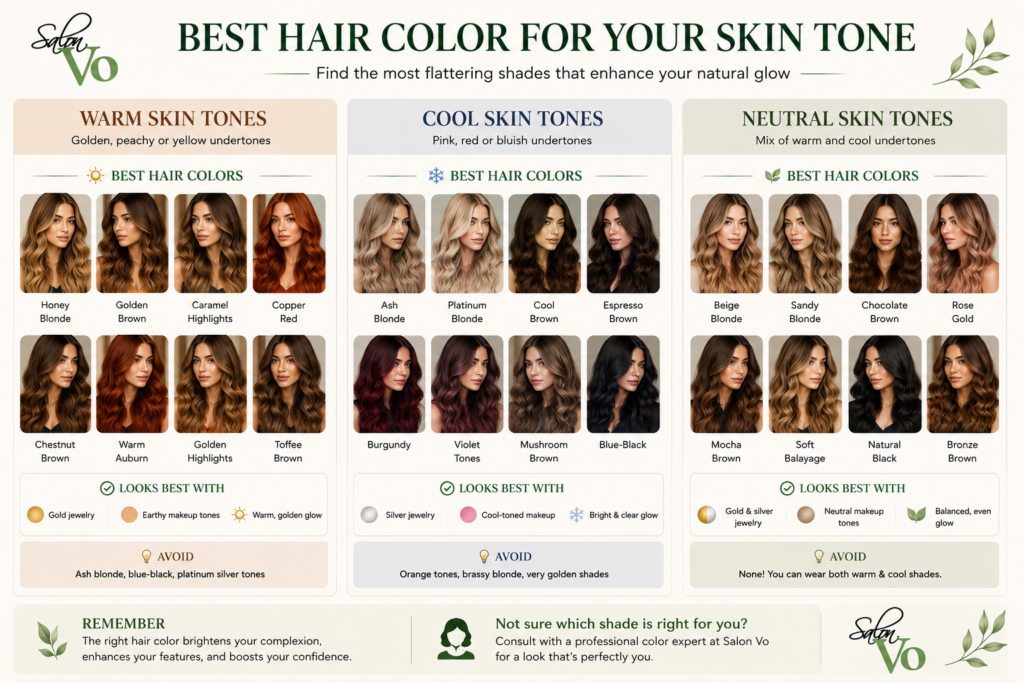
One of the biggest factors in choosing hair color is your skin tone. Matching the right shade with your undertone helps create a balanced and flattering look.
Your skin usually falls into one of these categories:
Warm Undertones
Cool Undertones
Neutral Undertones
Once you identify your undertone, selecting the right hair color becomes much easier.
If you have warm undertones, rich and golden shades usually work best.
These colors add warmth and brightness to the face without making the skin appear dull.
Very cool shades can sometimes clash with warm skin tones.
Cool undertones typically look stunning with cooler hair shades.
These colors complement cooler complexions and create a polished appearance.
Neutral undertones are versatile and can pull off both warm and cool shades.
This flexibility allows more room for experimenting with trends and seasonal shades.
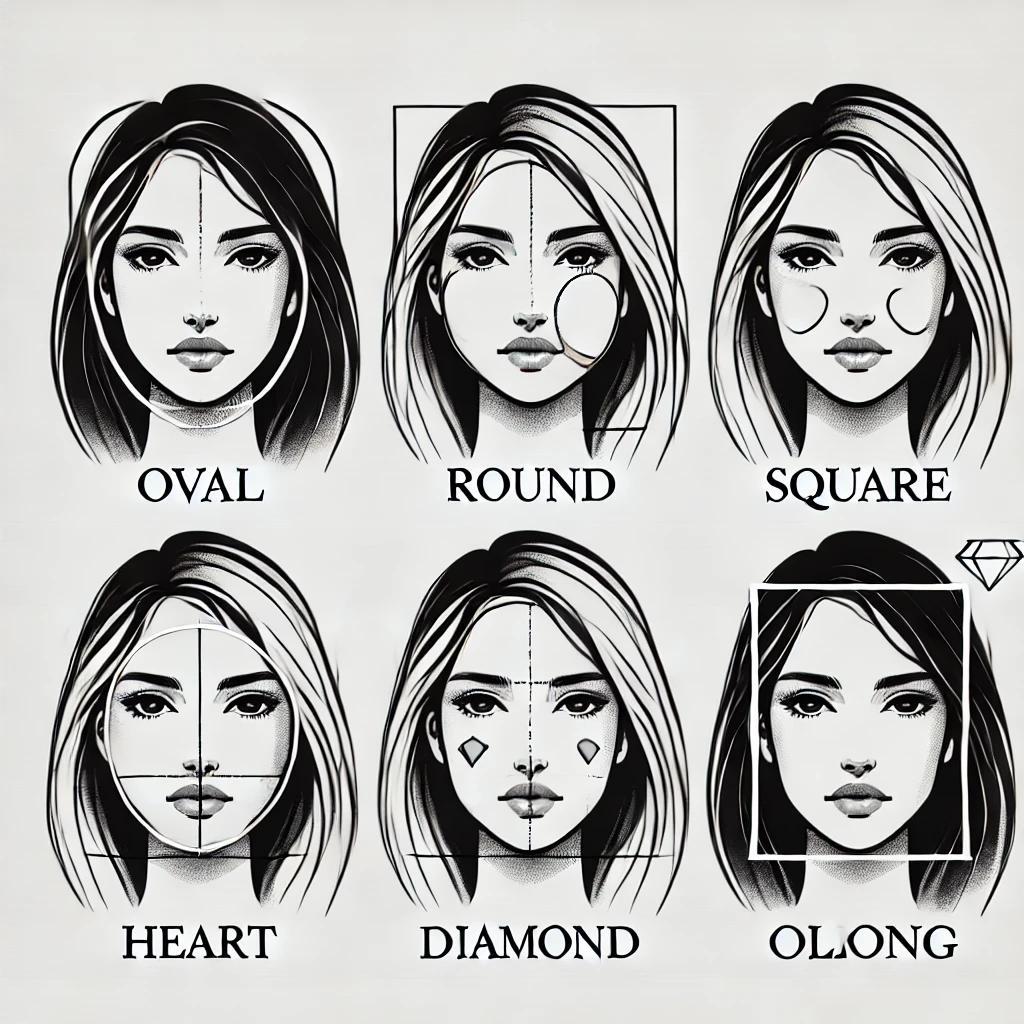
Many people wonder, “How do I check which hair color suits my face?” The answer involves more than just skin tone.
Here are the main factors professionals consider:
Different coloring techniques can enhance facial structure.
Round Face
Oval Face
Square Face
Heart-Shaped Face
Your eye color also affects which shade will look best.
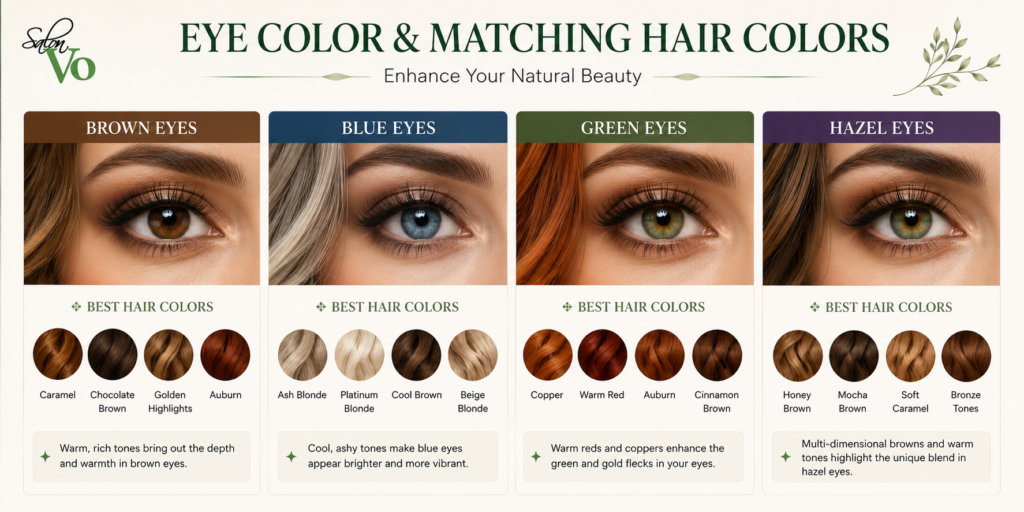
Brown Eyes
Blue Eyes
Green Eyes
Staying within two to three shades of your natural hair color usually creates the most flattering and low-maintenance result.
Professional stylists often recommend gradual changes rather than dramatic color shifts, especially for first-time clients.
If you’re still asking yourself, “what hair color looks best on me,” here are a few easy guidelines:
The best hair color should complement your features naturally rather than overpower them.
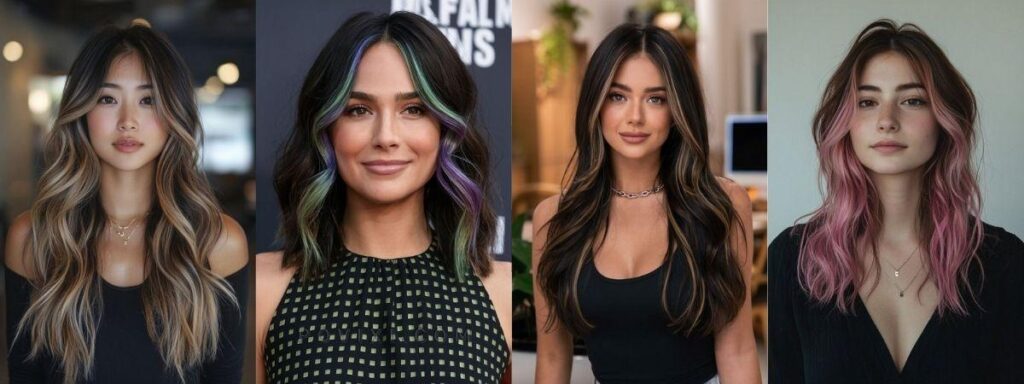
Lifestyle matters more than most people realize when selecting a hair color.
If you don’t want frequent salon visits, consider:
These grow out more naturally and require fewer touch-ups.
Some shades need regular upkeep:
These often require toners, deep conditioning, and regular salon appointments.
Choosing the right technique is just as important as choosing the color itself.
A hand-painted technique that creates soft, natural-looking dimension.
Traditional foils used to brighten sections of the hair.
Ultra-fine highlights that create a subtle sun-kissed effect.
A gradual transition from dark roots to lighter ends.
Blends multiple tones seamlessly for a smooth finish.
Common Hair Color Mistakes to Avoid
Not every trending color works for everyone.
Bleaching damaged hair can lead to breakage.
Professional coloring often provides safer and more even results.
Color-safe shampoo and deep conditioning treatments help preserve vibrancy.
Harsh shampoos strip color quickly.
Excessive heat fades hair color faster.
UV rays can dull colored hair.
Toners help maintain blonde and highlighted hair.
Colored hair needs extra moisture and nourishment.
A professional stylist can evaluate:
This personalized approach helps prevent costly mistakes and ensures healthier, more beautiful results.
The best hair color depends on your skin tone, eye color, natural hair color, and lifestyle. A professional consultation can help identify the most flattering shades.
Soft dimensional colors, warm highlights, and natural-looking tones often create a youthful appearance.
Highlights can cause dryness if overdone, but professional techniques and proper hair care minimize damage significantly.
Balayage and soft brunette shades are generally the easiest to maintain because they grow out naturally.
Warm tones work best for warm undertones, while cool shades flatter cool undertones. Neutral undertones can usually wear both.
Most hair colors require touch-ups every 6–8 weeks, while balayage and highlights can last longer.
Finding the perfect hair shade doesn’t have to feel overwhelming. Once you understand your skin tone, facial features, eye color, and maintenance preferences, choosing the right hair color becomes much easier. Whether you want subtle dimension, bold transformation, or natural-looking highlights, the right professional guidance can help you achieve stunning results.
If you’re looking for expert hair color services, balayage, or hair color & highlights Denver services, trust SALON VO for personalized styling, modern coloring techniques, and professional hair transformations tailored to your unique beauty goals.